_RGB-Apr-30-2025-10-31-45-8330-AM.png?width=152&height=42&name=SHINING%203D%20DENTAL%20LOGO%20(OS)_RGB-Apr-30-2025-10-31-45-8330-AM.png "SHINING 3D DENTAL LOGO")

.jpg "SHINING 3D DENTAL Logo")
e-Motion Workstation: An all-in-one digital platform that creates a truly dynamic virtual patient across diverse clinical needs.
Overview

Unified Multi-Modal Data Capture
Simultaneously captures intraoral scans, facial data, and mandibular movement in one workstation, seamlessly aligned in a single coordinate system for an efficient and precise workflow.

Intelligent Virtual Patient Construction
Powered by an advanced software platform that enables CBCT import, segmentation, and comprehensive jaw motion analysis, supporting accurate jaw relation records to rapidly build a dynamic virtual patient for diagnostics and treatment planning.

Seamless Integration With Design Software
Data can be transferred directly to exocad and other design platforms, enabling closer collaboration between clinics and dental labs for more accurate restorative and occlusal designs, fully supporting jaw motion analysis throughout the digital workflow.
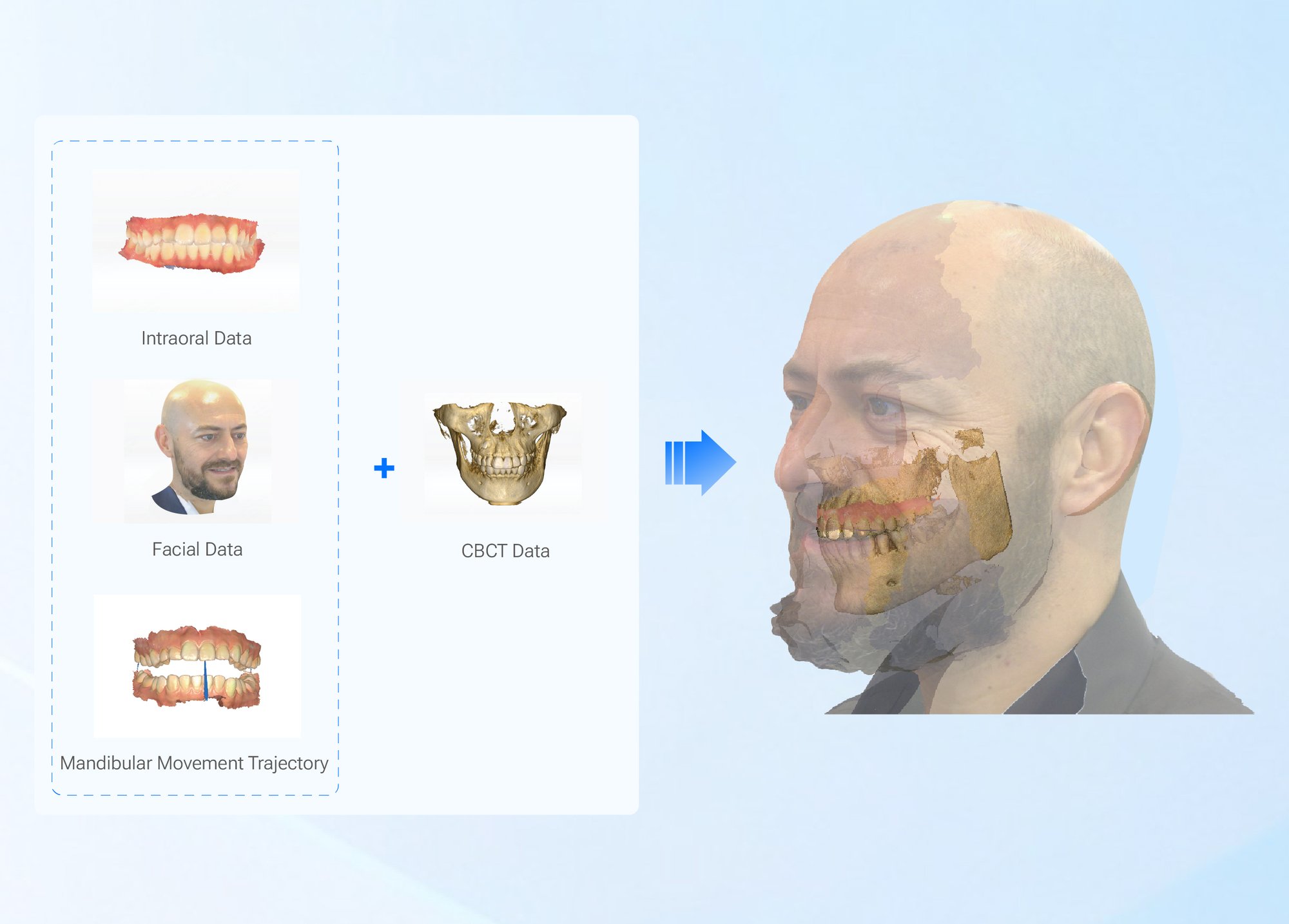
Virtual Patient
- CBCT Model Reconstruction and Segmentation
- Multi-modal Data Aligned and Analyzed in One Coordinate System
- The mandibular movement data can be transferred to Exocad software for dental labs to design treatment plans.

Data Acquisition
Capture comprehensive intraoral and facial data in one integrated workflow, enabling accurate jaw relation record, and enhanced understanding of mandibular movement.

Diagnostic Analysis
Gain clear clinical insights through advanced evaluation of jaw motion tracking data for confident assessment and treatment planning.

Design
Plan with clarity and precision in a fully connected digital workflow, leveraging dynamic jaw motion information references for improved restorative accuracy.

Lab Fabrication
Drive predictable laboratory outcomes with efficient data continuity from clinic to lab, ensuring consistent translation of jaw motion analysis into final prosthetic results.
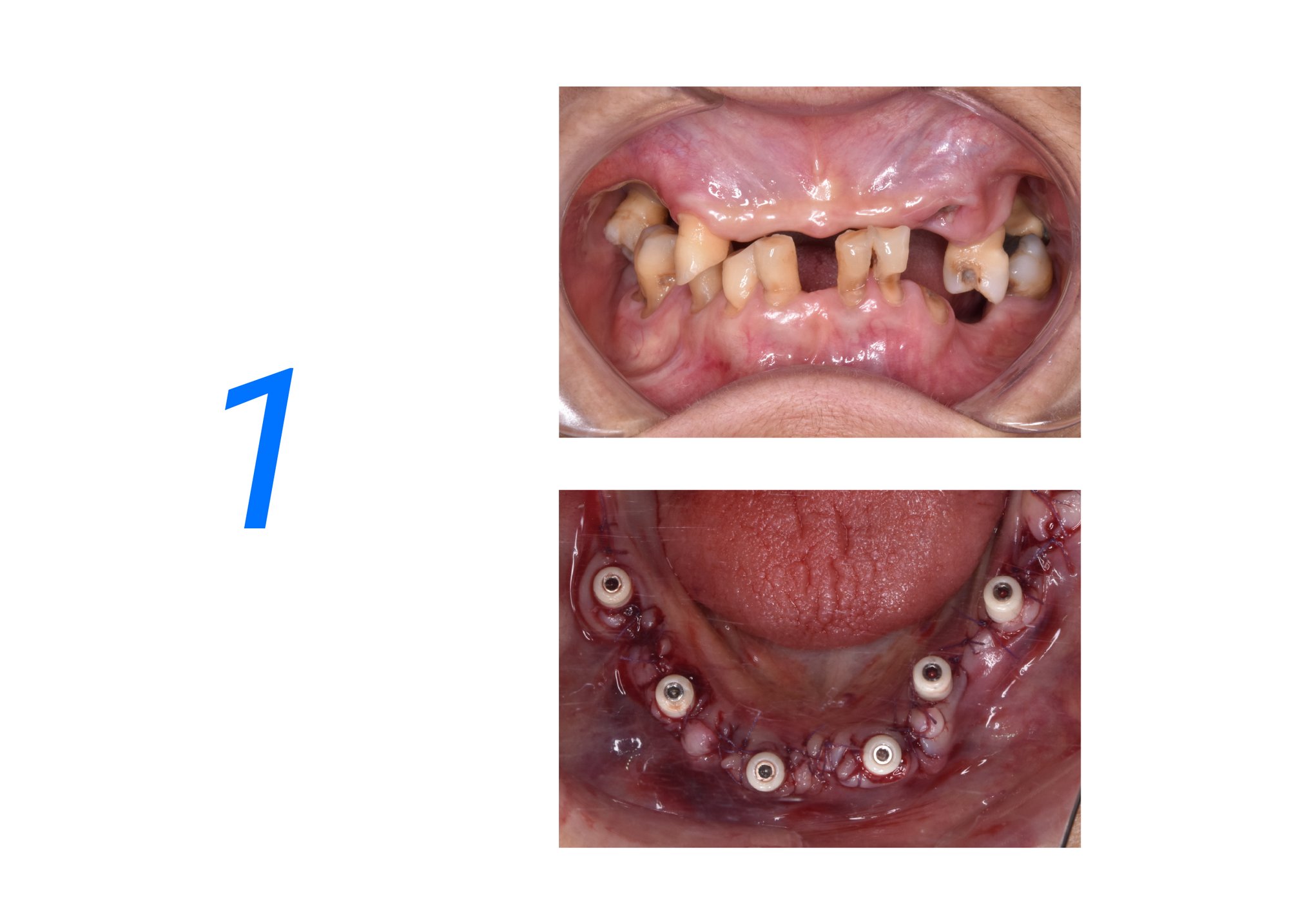
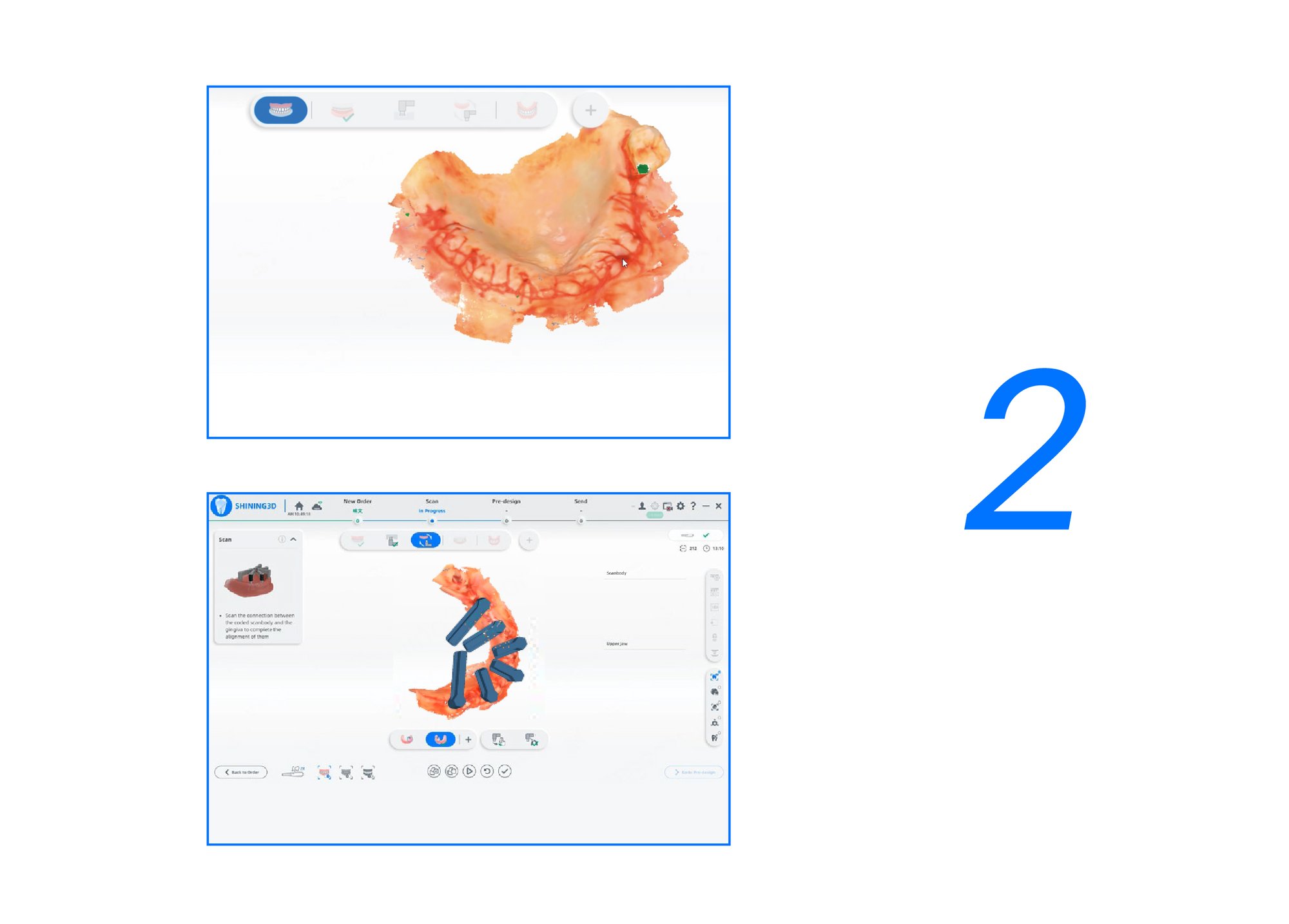
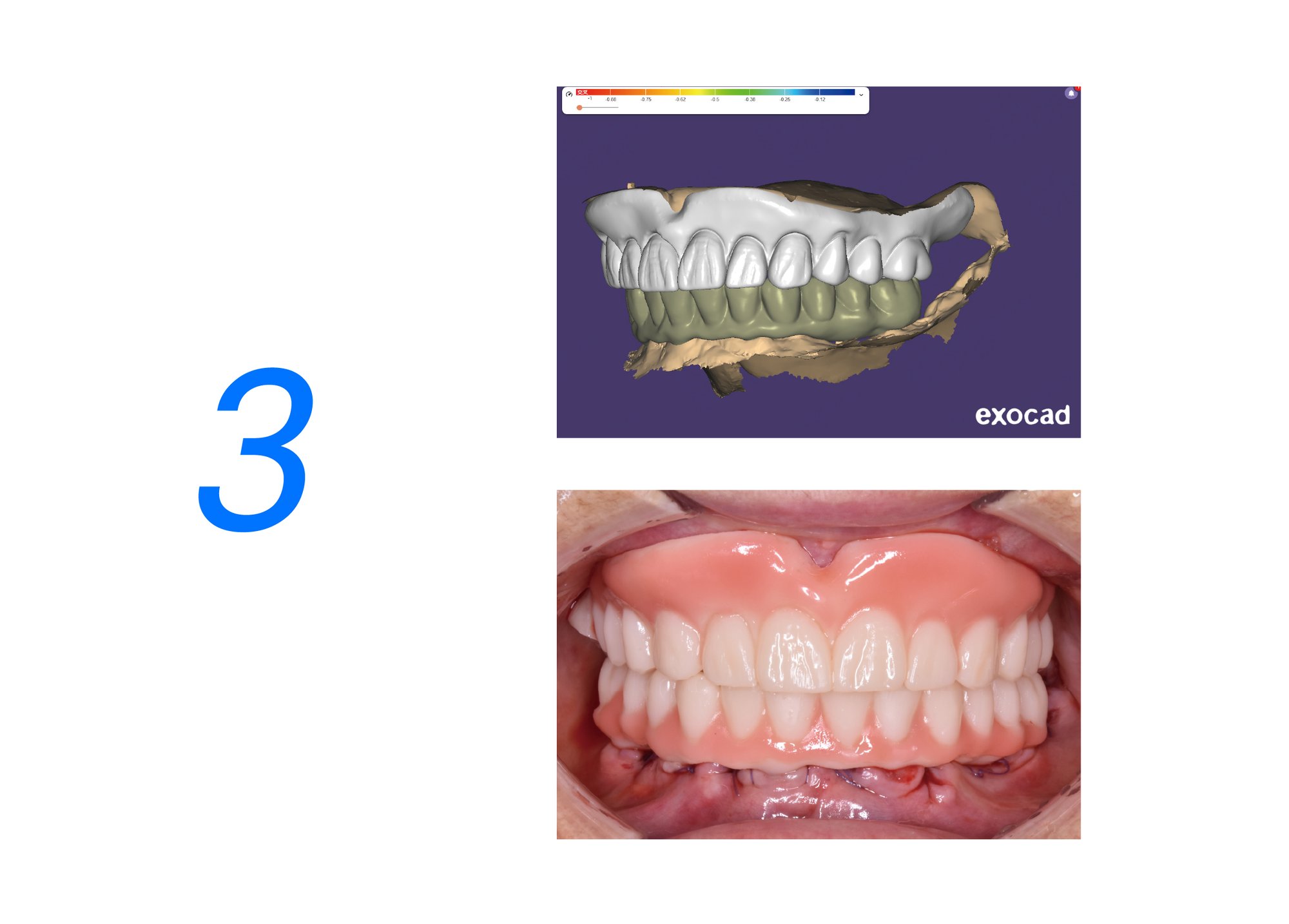
-

_RGB-Apr-30-2025-10-31-45-8330-AM.png?width=2000&name=SHINING%203D%20DENTAL%20LOGO%20(OS)_RGB-Apr-30-2025-10-31-45-8330-AM.png)
The e-Motion solution optimizes complex protocols, significantly enhancing efficiency in challenging cases like edentulous implants. With the ability to include CBCT for planning and e-Motion for precise jaw relationship assessment and implant positioning, Shining 3D’s advanced technology enables clinicians to achieve exceptional accuracy in denture and prosthetic fabrication. This seamless integration improves patient comfort, enhances treatment predictability, and extends the longevity of restorative outcomes. Dr. Isaac Tawil,
DDS MS, United States