_RGB-Apr-30-2025-10-31-45-8330-AM.png?width=152&height=42&name=SHINING%203D%20DENTAL%20LOGO%20(OS)_RGB-Apr-30-2025-10-31-45-8330-AM.png "SHINING 3D DENTAL LOGO")

.jpg "SHINING 3D DENTAL Logo")
Dr. He Shandan from Shenzhen People Hospital performs occlusal reconstruction with the help of the EinScan Pro 2X, the Aoralscan 2, and Zebris software.
Introduction
Severe tooth wear and dental attrition are common in middle-aged and elderly patients. Often, this causes tooth pain, food impaction, and difficulty in chewing.
Such patients often need occlusal reconstruction. In the past, dentists prescribed occlusal pads and removable partial dentures. Consequently, patients would experience a strong “foreign body” sensation and low chewing efficiency. These options affected pronunciation and aesthetics, as well.
Nowadays, occlusal reconstruction with fixed restorations has become an important method to effectively recover the masticatory function and aesthetic of patients with severe tooth wear.
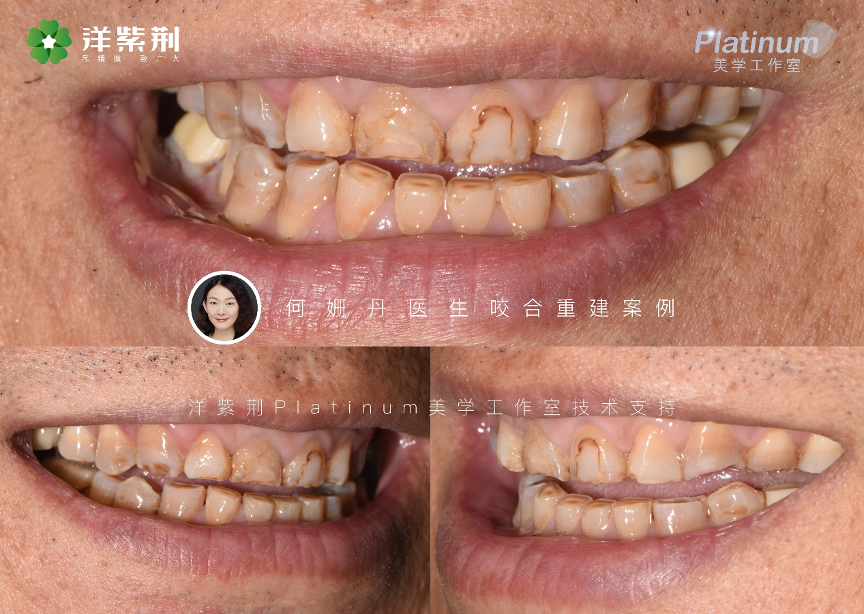
Veneers can address tooth discoloration due to various causes such as fluorosis and tetracycline teeth. They can also address aesthetic problems of anterior teeth caused by defects, tooth wear, dental caries, and diastemas.
Dentists can achieve this restoration type with minimal tooth preparation and at low volumes for single tooth restorations. But they can also span to full mouth rehabilitation cases with occlusal reconstruction.
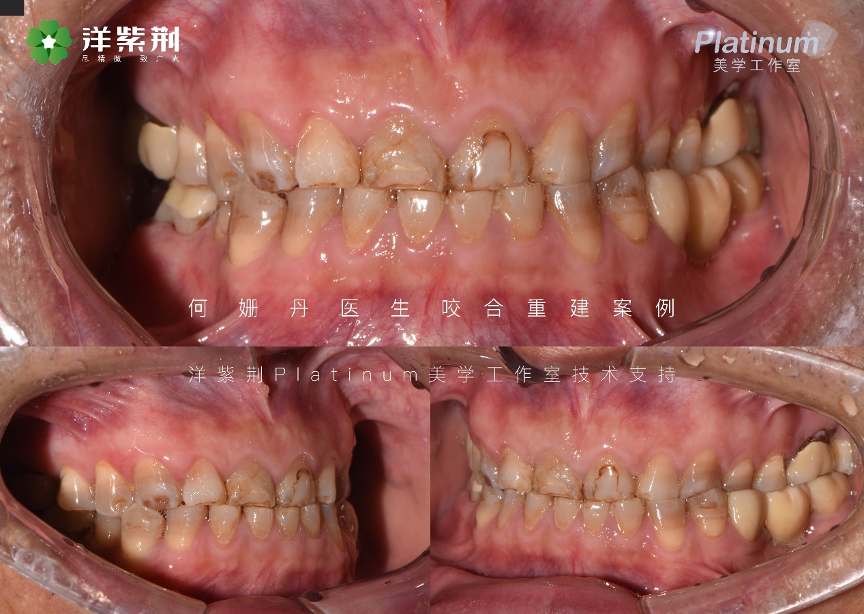
Case information
A 50-year-old male patient presents varying degrees of tooth wear. It is causing facial asymmetry, loss of occlusal vertical dimension, square-shaped teeth, and deep dentin exposure with tooth sensitivity.
In addition, multiple posterior PFM crowns are fractured and anterior teeth are edge-to-edge with wear to the incisal third, and tetracycline staining.
Also, the MRI shows limited temporal muscle movement of the left joint and positive palpation of masseter muscle.
Restoring the patient’s smile will require occlusal reconstruction. Case planning includes finding a stable joint position, creating a diagnostic wax-up as well as fabricating temporary restorations that will be placed in the mouth for two months.
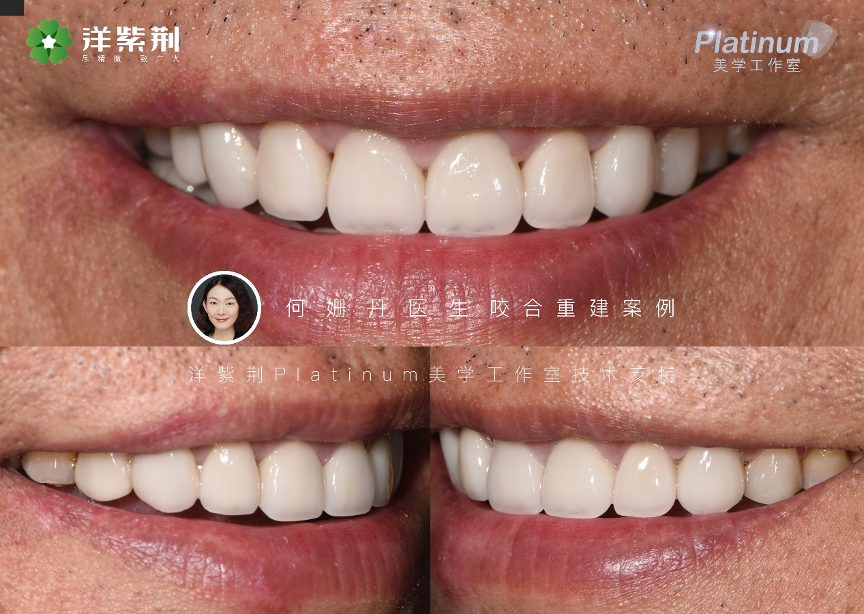
The final restorations will be posterior crowns and anterior veneers.
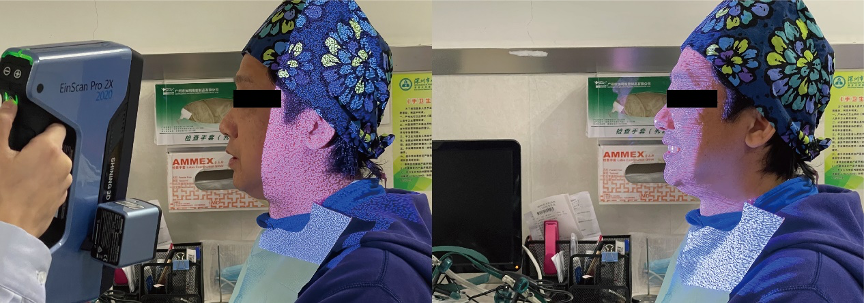
Acquiring patient’s facial information with face scanner Einscan Pro 2X from SHINING 3D
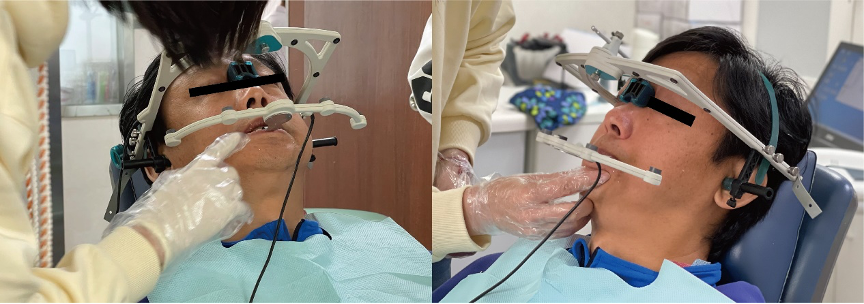
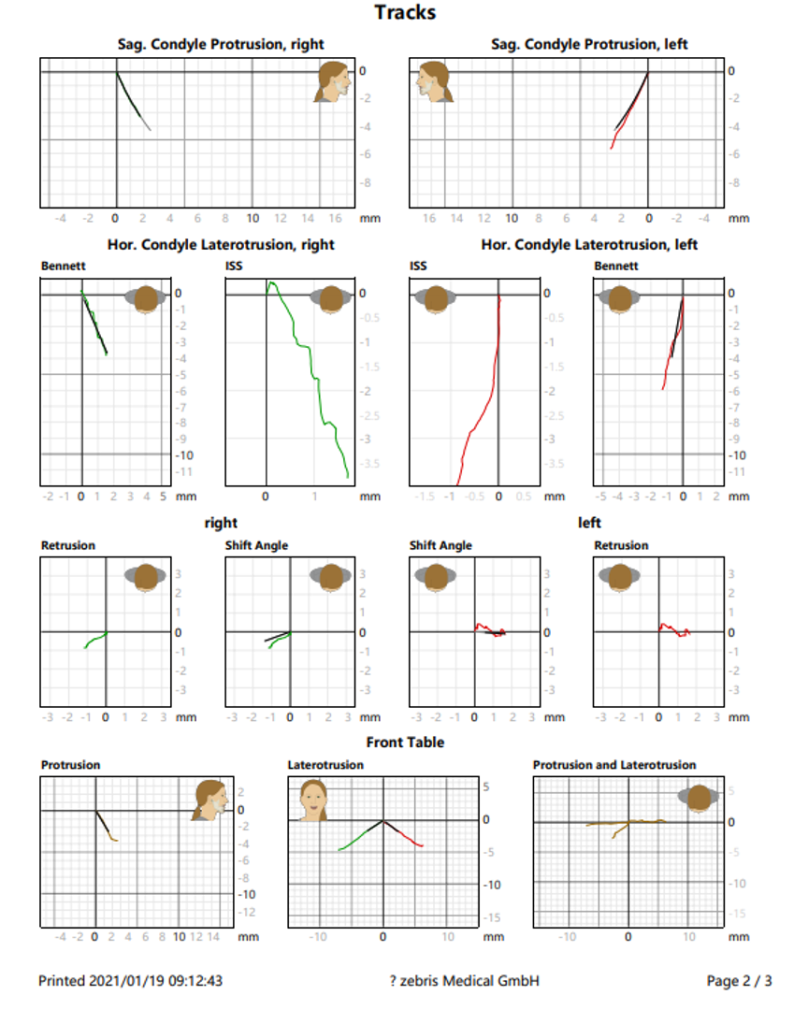
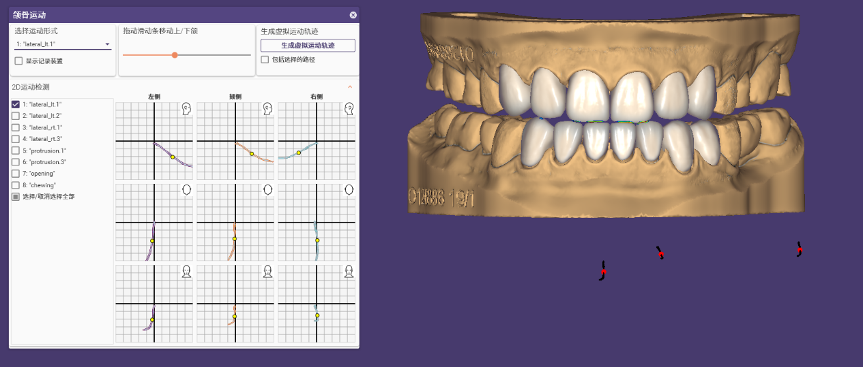
Recording the jaw movements and transferring joint-specific parameters of the patient with Zebris
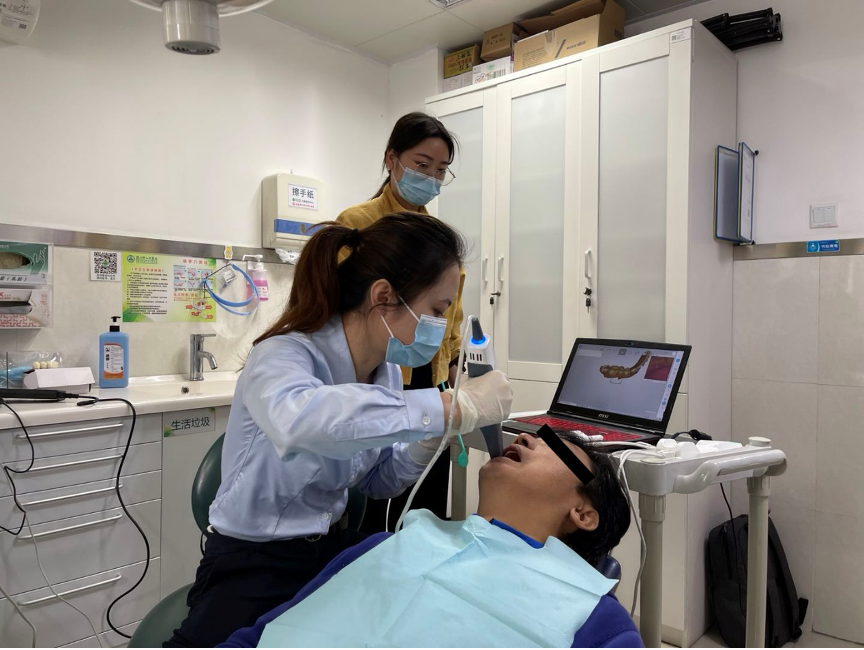
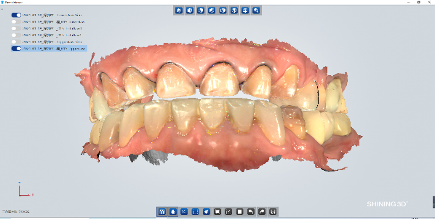
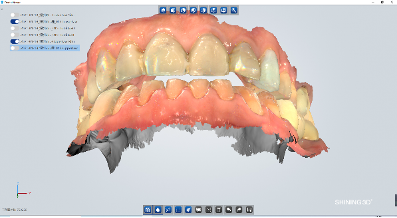
Obtaining digital impressions with intraoral scanner Aoralscan 2 from SHINING 3D Dental
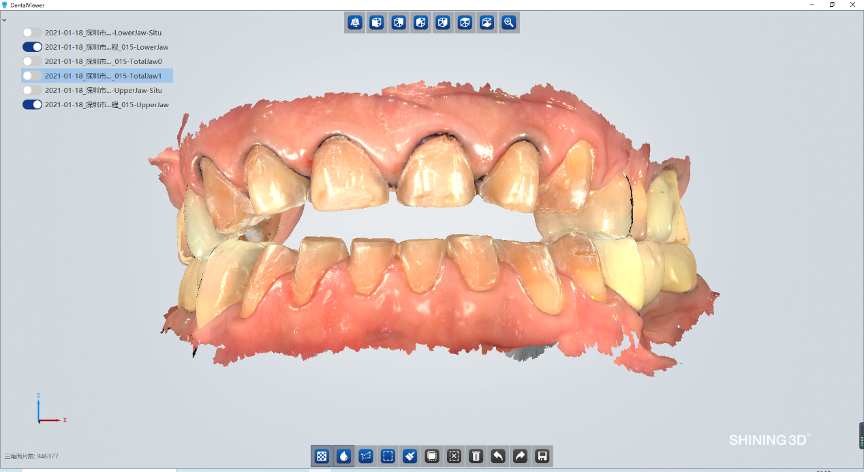
Obtaining digital impressions with intraoral scanner Aoralscan 2 from SHINING 3D Dental
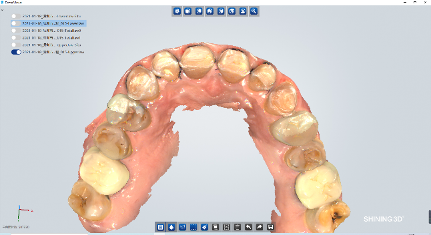
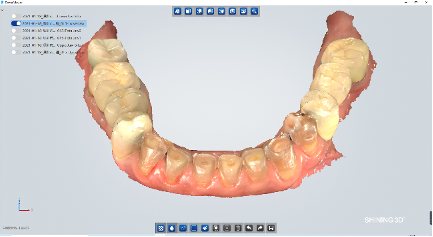
Designing the digital smile
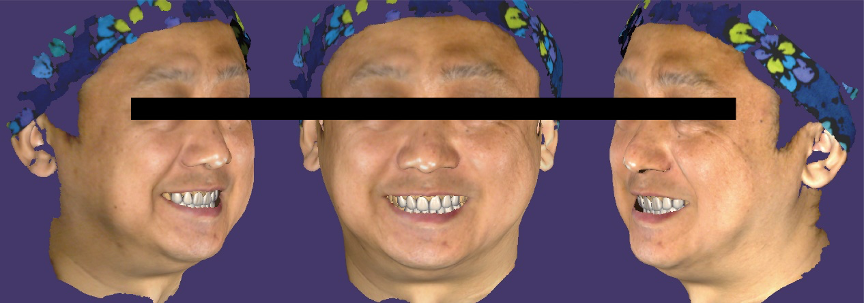
Preview of the digital smile design based on original data
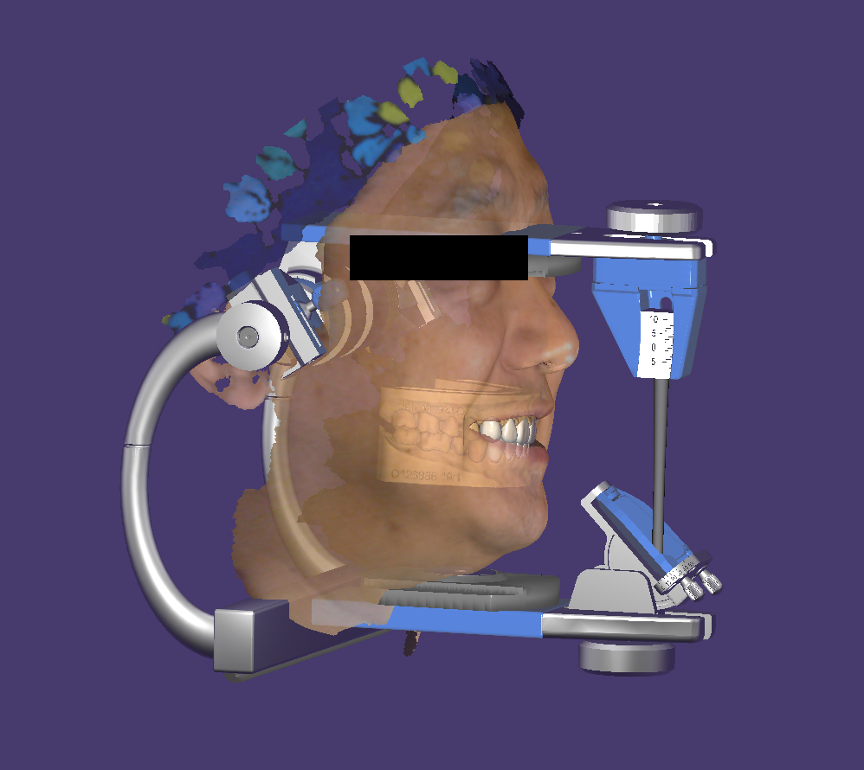
Digital smile design based on original data
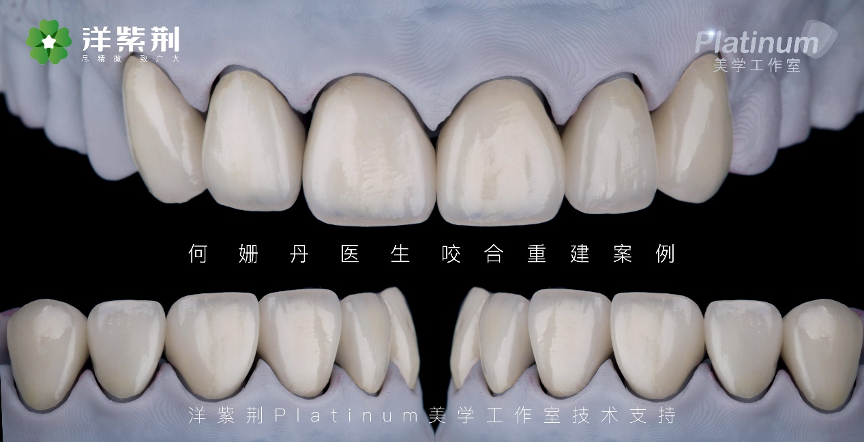
Completed restoration
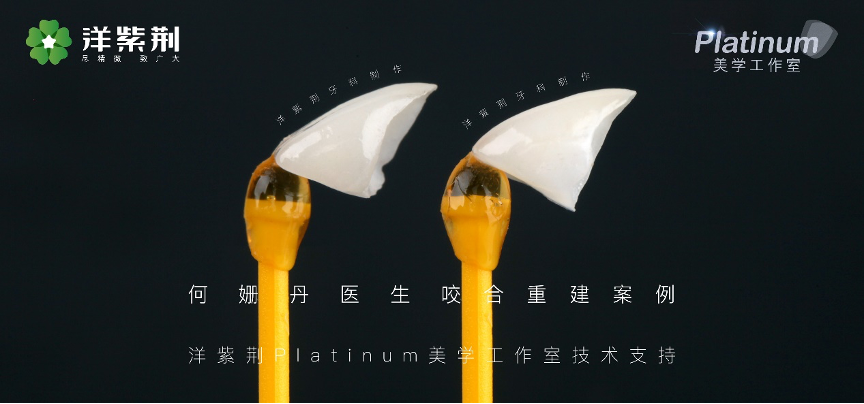
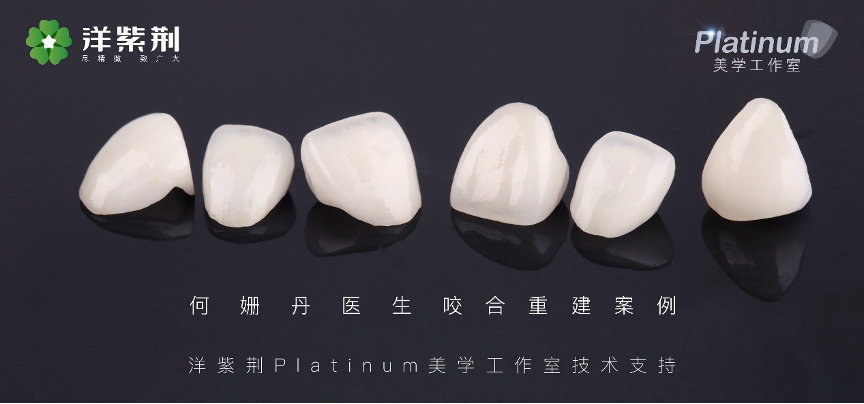
Completed restoration
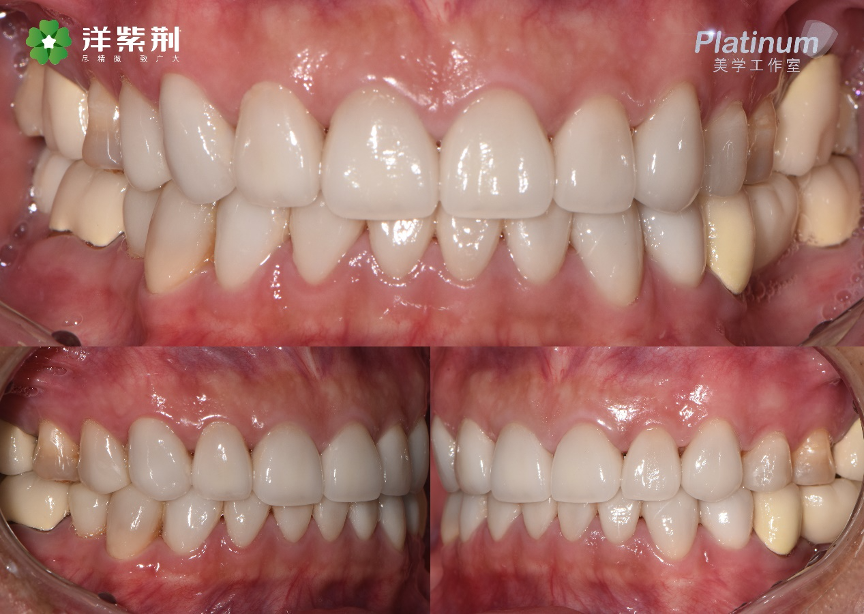
The final result
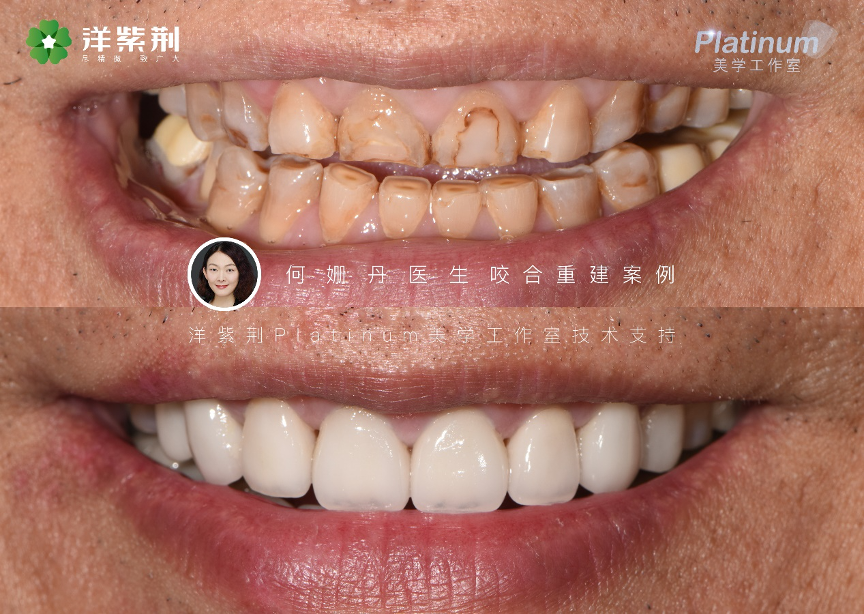
Before and after the occlusal reconstruction
Share this on Social Media: